How to Use CBD for Relaxation: A Practical Guide to Topical Relief
There are countless ways people try to unwind after a long day. Some reach for a glass of wine, others sink into a hot bath with a book, and many turn to supplements that promise calm. Over the past few years, one option has quietly moved from fringe wellness circles into mainstream conversations: CBD. Specifically, people are exploring cbd for relaxation, and they are finding that it offers something different from the drowsy heaviness of melatonin or the short-lived jolt of a stiff drink. It is not about sedation. It is about easing the background noise so the body can settle.
I first noticed this shift a few years ago when a friend complained about persistent muscle tension after work. She had tried stretching, massage, even switching her desk chair. Nothing seemed to soften that tightness across her shoulders until she started using a CBD balm before bed. She did not expect much, but after a week she mentioned the knot had loosened. That got me curious. Since then I have spoken with several people who use cbd for relaxation in different forms, and the common thread is not a dramatic high. It is a subtle, gentle easing of the body's stress response.
How CBD Interacts with the Body's Stress System
To understand why CBD can help with relaxation, it helps to know a little about the endocannabinoid system. This is a network of receptors and signaling molecules that helps regulate mood, sleep, appetite, and pain perception. Among the key players are CB1 receptors and CB2 receptors, which are found throughout the central nervous system and immune cells. THC, the psychoactive compound in cannabis, binds directly to these receptors and produces intoxication. CBD works differently. Instead of locking onto the receptors the way THC does, it influences them indirectly, often by preventing the breakdown of the body's own endocannabinoids or by interacting with other receptor systems like serotonin and vanilloid receptors.
This indirect action is why CBD does not produce a high. It also explains why many people find it useful for anxiety relief without feeling foggy or impaired. When stress reduction is the goal, the gentle modulation of the endocannabinoid system can help bring the nervous system back toward balance. It is not a cure for chronic stress, but it can be a helpful tool in a broader wellness routine.
Topical Application: Why It Works for Relaxation
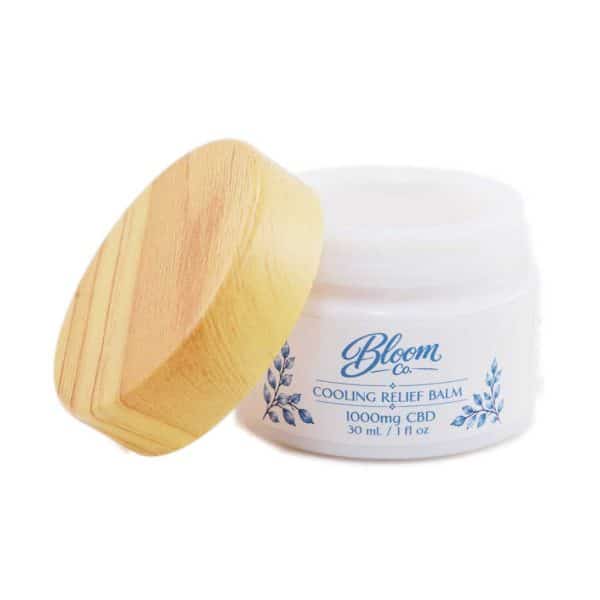
One of the most straightforward ways to use CBD is through topical application. When you apply a CBD balm or a similar product directly to the skin, the cannabinoids are absorbed through the outer layers and interact with local CB2 receptors. This is especially useful for targeting muscle tension and chronic pain that might be keeping you from relaxing. A balm rubbed into sore shoulders or a tight lower back can provide localized relief that feels almost immediate.
Topicals also avoid the digestive system entirely, which means the effects are faster and more predictable than with edibles. There is no waiting for digestion, no guessing how much will actually reach your bloodstream. The CBD enters the tissue below the skin and works where you need it. This makes topical products a natural fit for someone looking to incorporate cbd for relaxation into a nightly ritual. A quick application of a CBD balm before a warm bath, for instance, can turn a simple soak into a targeted relaxation session.
Bath Bombs and Aromatherapy: Relaxation through Scent and Soak
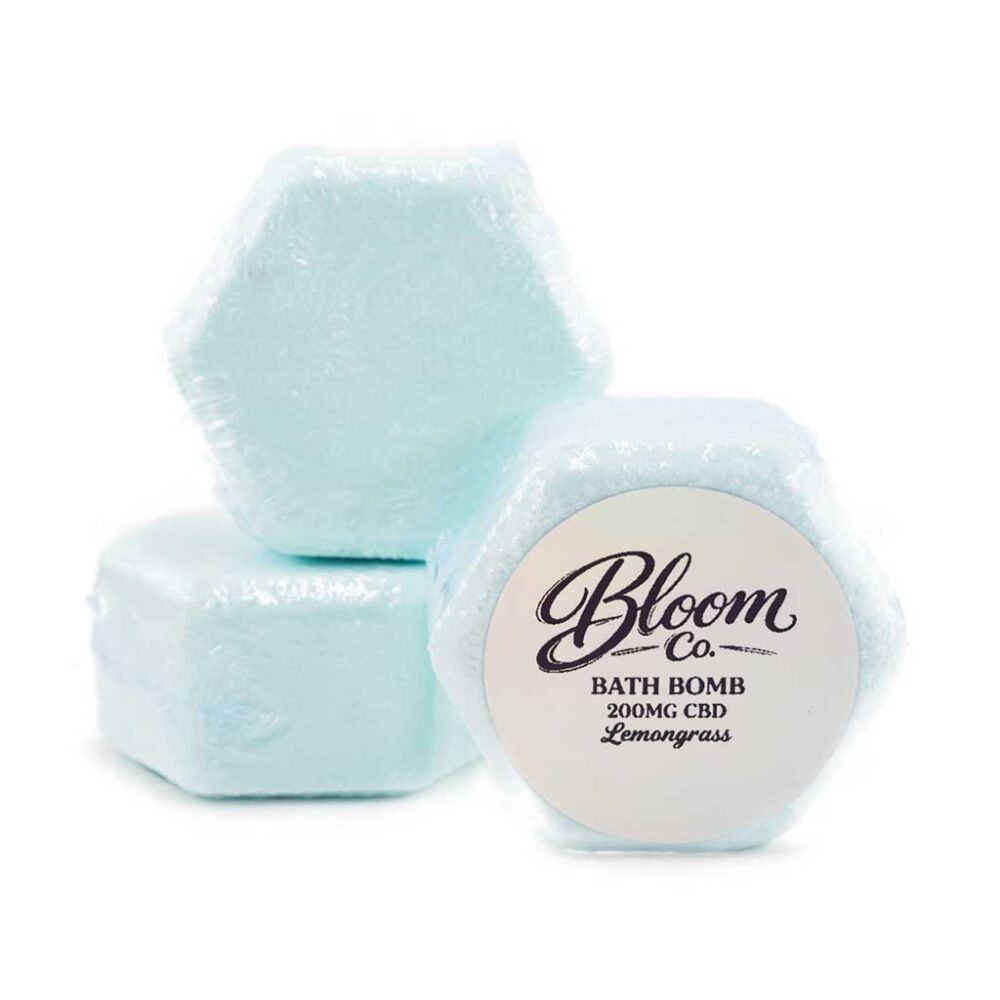
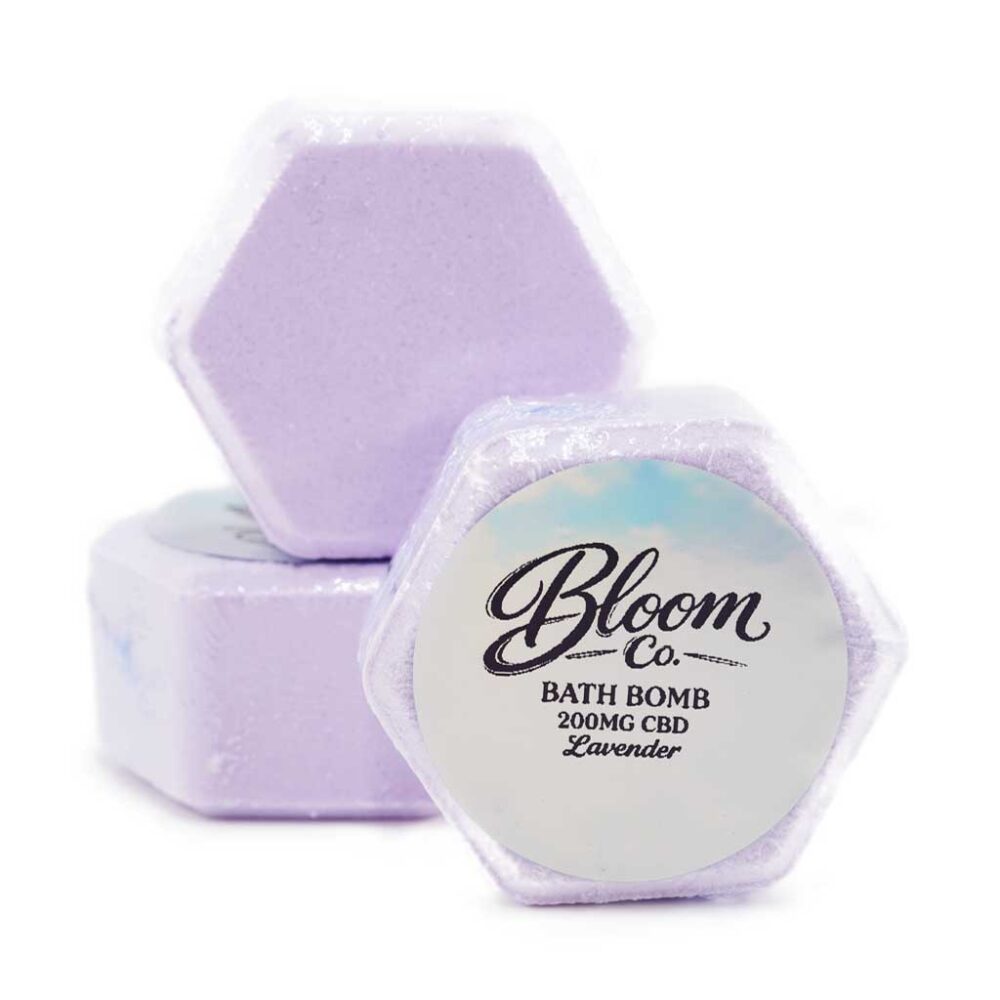
Another popular form is the CBD bath bomb. Dropping one into hot water releases a combination of CBD, essential oils, and sometimes additional calming ingredients like lavender or chamomile. The heat opens your pores, which may help with absorption, and the steam carries the scent of the oils into the air, creating an aromatherapy effect. Lavender is well known for its calming properties, and chamomile adds a gentle, apple-like sweetness that many people associate with comfort and sleep.
The experience of soaking in a warm bath with a CBD bath bomb is not just about the cannabinoids. It is about creating a sensory environment that signals to your brain that it is time to slow down. The warm water relaxes muscles, the scent triggers a calming response, and the CBD works on a biochemical level to reduce feelings of stress. Taken together, this can be more effective than any single element alone. It is a good example of how a wellness routine does not have to be complicated to be effective.
Full-Spectrum vs. Broad-Spectrum vs. Isolate: Which One Helps with Relaxation?
When shopping for a topical product, you will encounter terms like full-spectrum CBD, broad-spectrum CBD, and CBD isolate. They are not interchangeable. Full-spectrum CBD contains all the cannabinoids, terpenes, and other compounds naturally found in the hemp plant, including trace amounts of THC. Broad-spectrum CBD is similar but has had the THC removed. CBD isolate is pure cannabidiol with no other cannabinoids.
For relaxation, many people prefer full-spectrum or broad-spectrum products because of what is called the entourage effect. The various cannabinoids and terpenes work together, and the presence of minor compounds may enhance the calming effects. Terpenes like myrcene and linalool, which are also found in hops and lavender, have their own sedative properties. A product that includes these compounds may feel more effective than one with only isolate, though isolate can still be useful for those who want to avoid any trace of THC.
Practical Tips for Using CBD in Your Evening Routine
If you are new to using CBD for relaxation, start with a low dose and pay attention to how your body responds. Here are a few approaches that have worked well for others:
- Apply a CBD balm to your neck and shoulders about thirty minutes before you plan to sleep. This gives the compound time to absorb and start working on muscle tension.
- Use a CBD bath bomb two to three times a week as part of a longer wind-down ritual. Pair it with dim lighting and soft music for a fuller effect.
- Consider layering a topical product with other calming habits like drinking chamomile tea or using a lavender eye pillow. The combination can reinforce the relaxation response.
- If you have trouble falling asleep, look for products that also contain a small amount of melatonin. This can help if your sleep issues are tied to an off circadian rhythm rather than just stress.
It is worth noting that sublingual absorption, which means holding a tincture under the tongue, works faster than topicals but does not target specific areas of tension. For general anxiety relief, that can be a good option. For localized muscle tightness, stick with a balm or lotion.
The Limits and Trade-Offs
CBD is not a magic bullet. It will not erase the effects of poor sleep, a bad diet, or unmanaged chronic stress. Some people find that it helps noticeably, while others report little to no effect. The quality of the product matters a great deal. A cheap isolate in a poorly formulated balm may not deliver the same results as a well-made broad-spectrum product with added terpenes. Also, because the FDA does not regulate CBD products the way it regulates pharmaceuticals, labeling can be unreliable. It is smart to look for third-party lab testing when possible.
Another trade-off is that topical application limits how much CBD reaches the bloodstream. This is fine for targeted relief, but if you are looking for a systemic effect, such as help with overall anxiety, a tincture or oil taken sublingually might work better. The choice depends on your primary goal. For relaxation that involves both the body and the mind, many people find that combining a topical with a calming environment gives the best results.
Final Thoughts from Experience
I have seen people use CBD in many ways: as a post-workout balm for sore muscles, as a bath addition for Sunday evening wind-downs, and as a small but consistent part of a nightly routine. What stands out is not that CBD solves everything, but that it often fills a specific gap. That gap is the space between being fully awake and truly relaxed. Melatonin can help you fall asleep, but it does not address the underlying tension that keeps you wired. Alcohol might numb the feeling, but it comes with a rebound effect. CBD, when used thoughtfully and in the right form, offers a middle path. It does not force relaxation. It creates conditions where relaxation can happen naturally.
If you are considering adding a topical CBD product to your own routine, start with something simple. A CBD balm or a CBD bath bomb from a trusted source is a low-risk way to see how your body responds. Pay attention to how you feel thirty minutes after application. Notice if your shoulders drop, if your breathing slows, if the chatter in your mind quiets down even a little. Those small signals are worth listening to. Over time, they can tell you whether this approach fits your life.